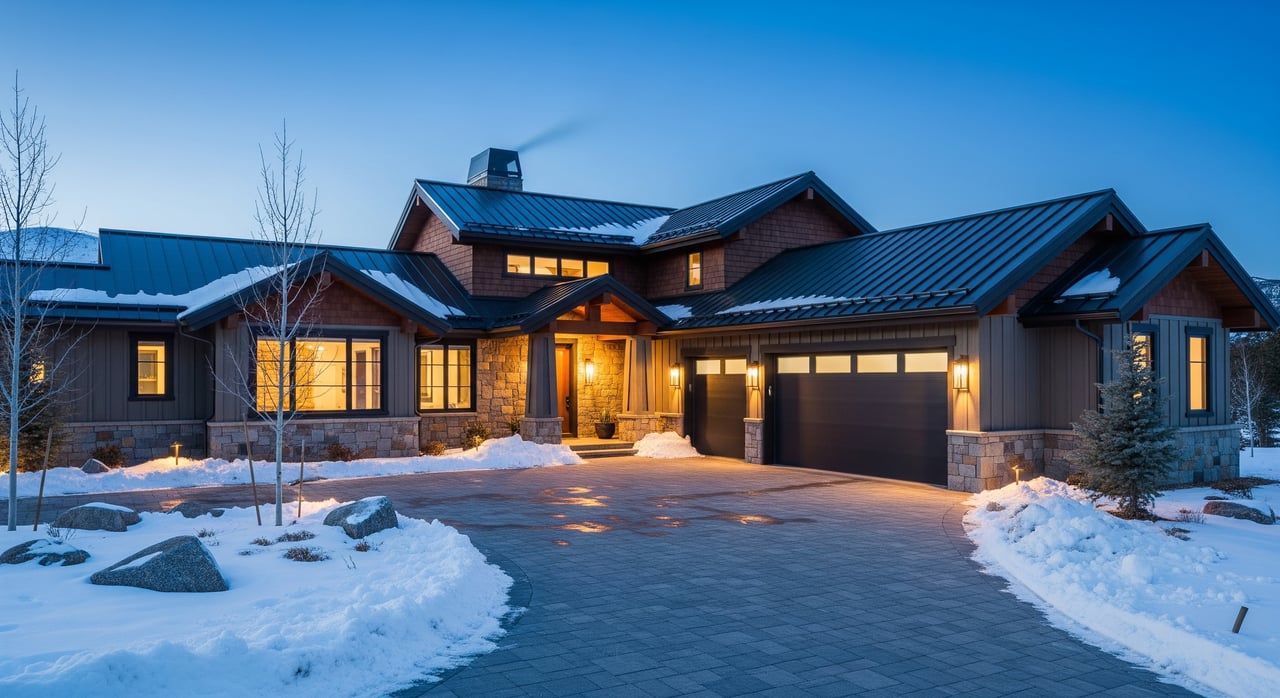
Winter in Verdi can flip fast from sunshine to slick. If last season left you shoveling heavy snow, dodging roof runoffs, or battling icy driveways, you are not alone. With the right upgrades, you can protect your home, reduce winter stress, and boost long‑term value. This guide walks you through code‑smart roof and driveway remodels that fit Verdi’s elevation and freeze/thaw rhythm. Let’s dive in.
Verdi snow reality and why it matters
Verdi sits near 4,900 feet on the west side of Reno, so your home sees more snow and colder nights than the valley floor. Most winters are manageable, yet single storms can stack up fast, then refreeze. That pattern makes roof loads, ice dams, and driveway ice the key risks to plan for. Designing for local snow loads and melt patterns keeps you safe and avoids midwinter surprises.
Start with code and safety basics
Washoe County requires you to use your site’s elevation to calculate ground snow load, which drives your roof design. The county notes a minimum final roof design load of 20 psf in most zones and a frost depth of 24 inches for footings. Review the county’s design requirements and mapping steps before you change structure or roof geometry. You can find the process on the county’s Construction Design Requirements page at Washoe County Building.
FEMA’s snow load safety guidance emphasizes that unplanned accumulations and melt/refreeze cycles are the top risks. It also cautions homeowners about unsafe roof snow removal. When in doubt, design for the load and hire trained pros for winter work. See the FEMA snow load safety guide for best practices.
Roof remodels that work in Verdi
Roof pitch and shape
Steeper roofs shed snow better, which lowers static load and helps limit ice dam risk. Low‑slope or complex rooflines with valleys and dormers collect drifts and need extra structural attention. Plan for snow drift and sliding patterns as you consider any reframe or addition. The PNNL guide on managing snow loads on roofs and decks is a helpful reference.
Materials that manage snow
Metal roofing is durable and sheds snow quickly, but it often needs snow‑retention to prevent sudden slides. Asphalt shingles are cost‑effective and hold snow longer, which can reduce avalanches but increase focus on ice‑dam control. For metal roofs, pair the system with proper flashing, compatible hardware, and robust attic upgrades. The Metal Roofing Alliance discusses why metal alone does not cure ice dams in this ice dam guidance.
Control sliding snow
Snow‑retention devices, such as guards or bars, slow and control snow movement so it does not dump onto entries or walkways. Layout and hardware should match your roof material, span, and local snow load. Work with a designer or contractor who will size and place retention based on your roof geometry and Verdi conditions.
Stop ice dams at the source
Ice dams form when warm air leaks into the attic, melts roof snow high on the slope, and that water refreezes at the cold eaves. The highest‑impact fix is simple: air‑seal the ceiling plane, add insulation to recommended levels, and balance soffit‑to‑ridge ventilation. Use baffles to keep soffits clear and seal penetrations around lights and ducts. For step‑by‑step strategies, review DOE’s guidance on attic air sealing, insulating, and ventilating.
Permits for roof work
Simple reroofs often qualify for Washoe County’s EZ permit path. If you change framing, slope, or load assumptions, expect a full plan review and stamped engineering. Confirm your scope on the EZ Permit page before you schedule work.
Driveway upgrades for freeze and melt
Asphalt vs. concrete
In freeze/thaw conditions, asphalt’s flexibility can help it resist cracking and spalling, and its dark color absorbs more sun so light snow and ice can melt faster. Concrete is durable but needs the right mix and sealing to handle deicers and freezing. Choose based on maintenance comfort, look, and budget. See a cold‑climate summary in this comparison of concrete vs. asphalt in winter.
Permeable options, done right
Permeable pavers, porous asphalt, and pervious concrete can work in cold climates when designed with proper base depth, drainage, and frost‑resistant details. Research shows some permeable systems can reduce ice persistence and lower deicer use when maintained. Plan for periodic vacuuming to keep infiltration open. Explore findings in this peer‑reviewed review of permeable pavements in cold weather.
Slope and drainage that prevent ice
Aim for positive drainage away from the house, typically 1 to 2 percent, and avoid low spots that collect meltwater. If you alter grades or tie into public right‑of‑way, expect county permits. Verify driveway grade limits and any grading thresholds with Washoe County before you start.
Heated snow‑melt: where it pencils
Electric mats are simpler for retrofits, while hydronic tubing can be more cost‑efficient to operate if you already run a boiler. Many electric systems are sized around 30 to 50 watts per square foot, so operating cost depends on area, weather, and local utility rates. In Verdi, consider heating only critical paths, like entry walks and steps, for a better value. Review cost ranges in this guide to heated driveway costs.
A simple plan for smarter winter upgrades
- Confirm your site elevation and design snow load using Washoe County’s process, then scope roof changes accordingly. Refer to Washoe County Building.
- Prioritize attic air‑sealing, insulation, and balanced ventilation to prevent ice dams at the source.
- If you choose metal roofing, include engineered snow‑retention and compatible hardware.
- For driveways, set the right slope and drainage first, then choose asphalt, well‑detailed concrete, or a properly designed permeable system.
- Price heated pads for key paths before you consider a full heated driveway.
- Check permits early, especially for structural changes or grading.
- Ask about rebates for weatherization and electrification that can support attic upgrades. See Nevada’s home energy rebates overview at the Nevada Governor’s Office of Energy.
Thinking about resale value
Winter‑ready roofs and safe, low‑maintenance driveways reduce buyer objections, inspection findings, and insurance concerns. They signal a well‑cared‑for home, which supports stronger offers in any season. If you are weighing which upgrades to make before you list, prioritize safety, drainage, and envelope improvements that show up in inspections. When you are ready to discuss timing and return, connect with Jackie Mead for local, protection‑minded guidance.
FAQs
How do I find my Verdi roof design snow load?
- Use Washoe County’s elevation‑based process and Table 1608.2.1 to calculate ground snow load and final roof design load, then design accordingly. Start at Washoe County Building.
Will a metal roof eliminate ice dams in Verdi?
- No. Metal sheds snow, but ice dams come from attic heat loss. Air‑sealing, insulation, and balanced ventilation are the long‑term fix, as noted in DOE’s attic guidance and the Metal Roofing Alliance’s ice dam discussion.
Are heated driveways worth it for Verdi winters?
- It depends on your site, safety needs, and energy rates. Many systems draw 30 to 50 watts per square foot, so heating selective walkways often delivers better value than heating an entire driveway. See heated driveway costs for ranges.
Do permeable pavers work with freeze/thaw near Reno?
- Yes, when designed and maintained correctly. Studies show permeable systems can perform well in cold climates and reduce surface ice persistence. See the permeable pavement review.
Do I need a permit to reroof or change roof structure in Washoe County?
- Most reroofs need a permit, and structural changes or slope modifications require full plan review. Check scope and eligibility on the county’s EZ Permit page.