Thinking about trading the valley floor for big-sky views, trail access, and a quieter hillside street? Reno’s foothill neighborhoods offer that blend of nature and convenience many buyers want. You also take on different weather, terrain, and maintenance needs compared to level neighborhoods. In this guide, you’ll get a clear picture of daily life, housing traits, risks, and what to verify before you buy. Let’s dive in.
What “foothill” living means in Reno
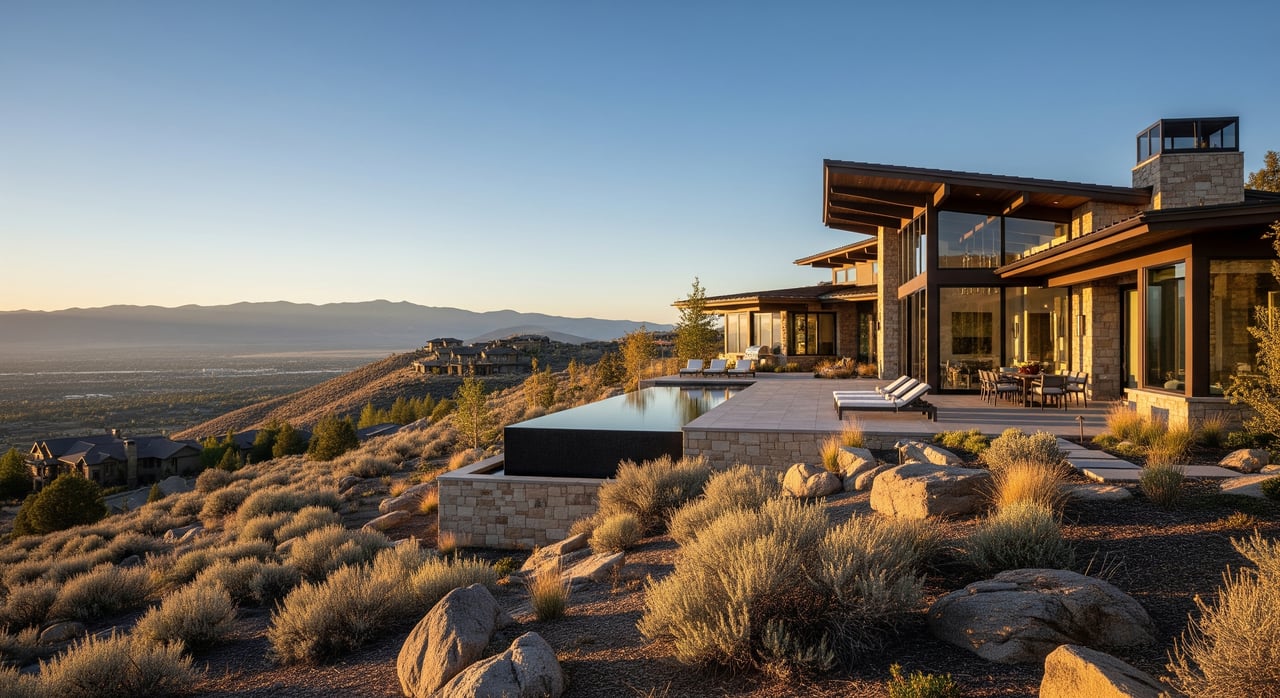
Foothill communities sit on the edges of the Truckee Meadows where homes climb into the lower Sierra slopes. You’ll see native sagebrush and pinyon-juniper, winding streets, and frequent valley or mountain views. Southwest Reno and the Caughlin-area hills are classic examples many locals have in mind.
Because of elevation and exposure, you can expect slightly cooler summer afternoons and a bit more winter snow than the valley floor. Some pockets get more wind and stronger sun. Microclimates can change from one street to the next based on slope and aspect, which is part of the appeal and the planning challenge.
Day-to-day lifestyle and amenities
Trails, open space, and outdoor time
Many foothill streets connect quickly to local trail networks for hiking, running, mountain biking, and sometimes equestrian use. Rules, maintenance, and parking often depend on the land manager. Trails across our region are supported by public agencies and local nonprofits. If you want to check options and stewardship programs, the Truckee Meadows Parks Foundation is a helpful starting point.
Living near the rim also puts you closer to the Mount Rose and Lake Tahoe corridor. You’ll spend less time driving uphill to reach major recreation areas than many valley-floor residents.
Shopping, dining, and services
Most daily errands are a short drive away. Depending on your exact hillside street and traffic, you can usually reach grocery stores, restaurants, and medical centers within 20 to 30 minutes. Some higher-rim subdivisions have limited retail within walking distance, so plan on using a vehicle for most errands.
Employment and commute
Driving is the most common way to commute from the foothills. Public transit coverage focuses on valley corridors, and buses rarely serve steep hillside streets. You can review routes and paratransit details through the Regional Transportation Commission of Washoe County. Expect commute times to follow main arteries such as US-395 and I-580 during peak hours.
Schools and child services
Foothill addresses fall within the Washoe County School District. Attendance boundaries vary by street, so confirm assignments and transportation details with the Washoe County School District directly. Private school options also exist across the metro.
Healthcare access
Major hospitals and clinics sit on the valley floor. In normal conditions, the drive from a foothill lot adds a few minutes. During winter storms, that time can increase based on road conditions.
Housing types and lot characteristics
What you’ll find on the market
- Older single-story ranch and mid-century homes along the valley edge.
- Suburban single-family homes in planned communities, sometimes with cul-de-sacs and neighborhood amenities.
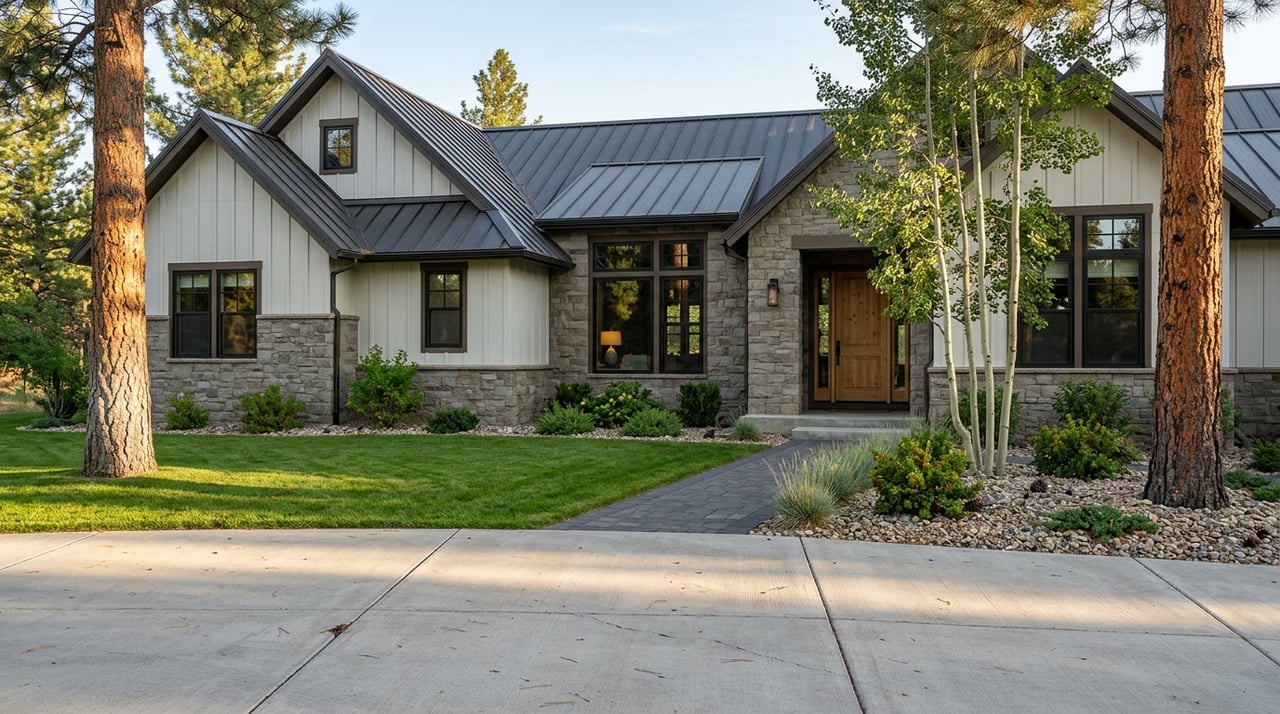
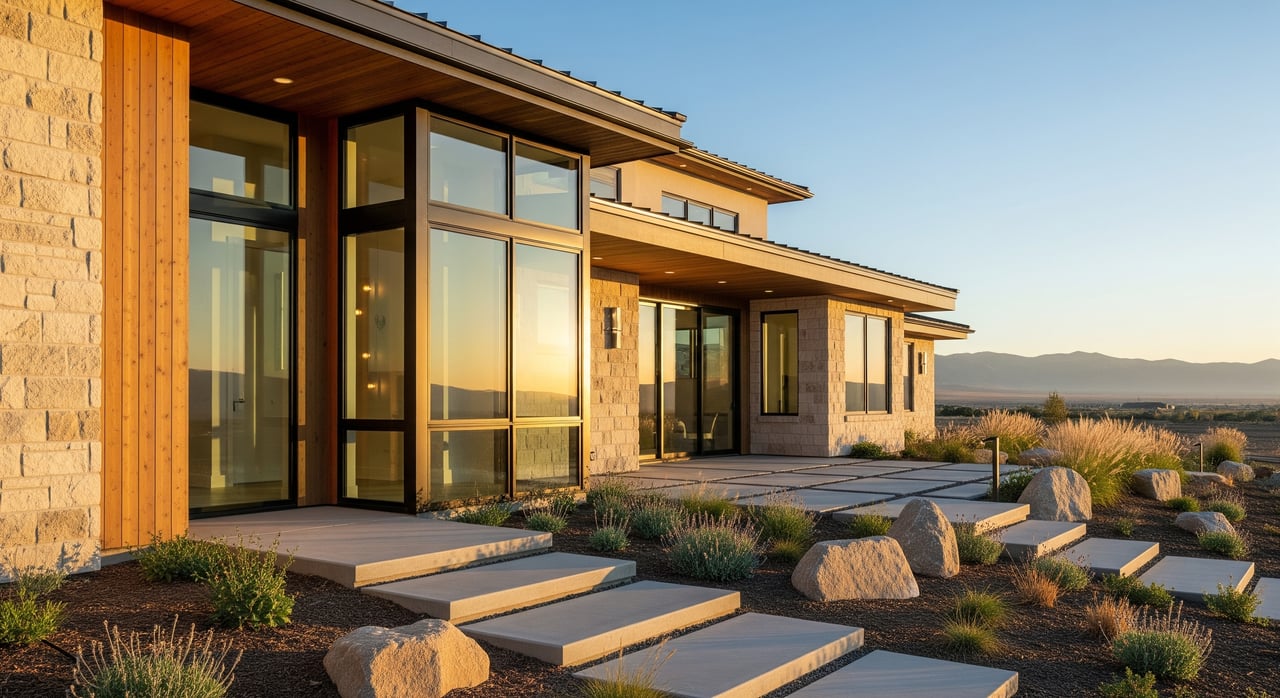
- Luxury custom homes designed for view corridors, outdoor living spaces, and privacy.
- Condos and townhomes are more common nearer to valley shopping corridors than up steep access roads.
Lots, driveways, and orientation
Hillside parcels can be irregular, with steeper grades and longer driveways than level neighborhoods. Orientation matters. Sun exposure and view direction affect comfort, snowmelt, and perceived value. Turning radiuses and driveway slope can impact daily use, deliveries, and moving logistics.
Construction and ongoing maintenance
Building on slope typically requires more substantial foundations, retaining walls, and drainage planning. Even for resales, expect ongoing attention to erosion control, debris flow management, and landscape choices that work with native soils. Many owners favor drought-tolerant, native plantings over resource-intensive lawns.
Weather and seasons in the foothills
Winters can bring more snow and overnight cold than the valley floor. Steep streets and shaded driveways may stay icy longer. Some streets receive municipal plowing, while private or gated roads may rely on HOA arrangements or homeowner-responsible snow removal. In summer, higher elevations often feel a touch cooler. Sun and wind exposure vary widely by microclimate.
Safety, wildfire, and winter access
Wildfire risk and mitigation
Foothill locations have elevated wildfire risk due to natural vegetation and slope. That affects insurance, landscaping, and maintenance choices. Ask whether a property sits in a wildland-urban interface zone and review defensible space guidance. The Firewise USA program from NFPA is a solid resource on home hardening and community preparedness. Local agencies and the Nevada Division of Forestry also share fuel-reduction program information.
City and county fire departments often provide defensible-space checklists, chipping programs, and inspection guidance. For local protocols, start with the City of Reno Fire Department.
Snow, ice, and driveability
Know who maintains your road in winter. Some hillside streets are publicly plowed. Others, especially private or gated roads, depend on an HOA or property owners. If your household has tight commute windows or mobility needs, plan for ice management, plowing, and vehicle access during storms.
Utilities, broadband, and services
Most established foothill neighborhoods tie into the regional grid. Electricity is provided by NV Energy. In certain pockets or on larger hillside parcels, some utilities may be private, such as well and septic. Broadband availability varies by street. Many addresses have cable or fiber, but some remote or steep parcels rely on fixed wireless or satellite. Always verify providers and speeds at the specific address.
Emergency services and hospitals are based on the valley floor, so weather can affect response and drive times. Outages may occur during storms or wildfire mitigation efforts. Check utility service maps and confirm backup plans if consistent connectivity is essential to your work.
HOAs, rules, and amenities
Many foothill developments include HOAs that manage private roads, gates, landscaping, and shared amenities. Fees and coverage vary. Some hillside pockets sit outside HOAs and follow city or county regulations only. Review governing documents, road maintenance obligations, and any restrictions that affect your lifestyle or future projects.
City vs. county: jurisdiction matters
Determine whether a property sits inside the City of Reno or an unincorporated area of Washoe County. Jurisdiction affects permitting, inspections, utilities, taxes, and enforcement. To start your research, use city planning resources at City of Reno Community Development and county information from Washoe County.
A practical checklist for showings
Use this quick list when you tour foothill homes:
- Road maintenance. Confirm who plows and maintains your street and any private drives.
- Driveway slope and access. Test turning radius, clearance, and winter viability.
- Utilities. Verify if water and sewer are public or private, and confirm providers.
- Broadband and cell coverage. Check available internet options and strength at the address.
- Wildfire mitigation. Look for defensible space, ignition-resistant features, and fuel loads near structures.
- Drainage and retaining walls. Ask for any geotechnical or soils reports and records of foundation or wall work.
- HOA and fees. Review CC&Rs, gate policies, parking rules, and any architectural guidelines.
- Jurisdiction. Verify city or county status and related permitting requirements.
- Hazard disclosures. Request wildfire, landslide, and flood disclosures as required by law.
What to expect when buying in the foothills
Foothill homes often command a premium for views, privacy, and trail access. Buyer priorities usually center on orientation, outdoor access, driveway grade, and the balance of quiet hillside living with proximity to shopping and work. Insurability and mitigation status can influence both financing and long-term costs. Market conditions shift, so rather than chase old numbers, focus on property-specific due diligence and current comps.
If you plan to build or take on major improvements, budget for slope-related costs and specialist inspections. For resales, factor in snow removal, landscape care, and any HOA fees when you compare monthly expenses across neighborhoods.
Is foothill living right for you?
Choose the foothills if you want everyday access to trails, bigger skies, and the feeling of living closer to Nevada’s natural landscape. Be ready for winter prep, occasional wind, and a bit more maintenance attention to drainage and vegetation. With a clear plan for utilities, insurance, and road access, foothill life can deliver the quiet and views you’re seeking.
Ready to explore specific streets and match your needs to the right hillside pocket? Reach out to Jackie Mead to Request a Confidential Consultation.
FAQs
How does commuting from Reno’s foothills typically work?
- Most residents drive, accessing main arteries on the valley floor. Transit coverage is limited on steep streets, and routes are published by the Regional Transportation Commission of Washoe County.
Do Southwest and Caughlin foothills get more snow than the valley?
- Yes. Higher elevation and exposure can mean more accumulation and colder nights. Plan for driveway snow removal and know who plows your street.
Are foothill neighborhoods safe from wildfire?
- No area is completely risk-free. Foothill homes face elevated risk due to vegetation and slope. Follow Firewise USA guidance and check local programs through the Nevada Division of Forestry.
What utilities and internet are typical in the foothills?
- Many established areas have city-grid utilities and wired broadband, but some parcels use well and septic and rely on fixed wireless or satellite. Confirm providers, including NV Energy, at the address.
What kinds of homes are common in Reno’s foothills?
- You’ll see older ranch and mid-century homes, newer suburban builds, and custom hillside properties designed for views. Lot shape and slope often influence layout and maintenance needs.